
The Neighborhood's Unseen Poverty
West Side StoryThis flow examines how overcrowding, landlord neglect, and political absence form the conditions beneath the West Side's visible violence.
increasing Bearing strength in each event
 decreasing
Bearing strength in each eventdecreasingNo Affordable Escape
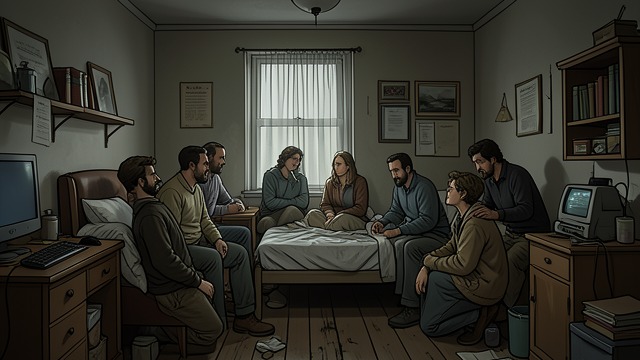
No Affordable Escape
Housing Pressure
Ordinary residents have few affordable places to move, while landlords can raise rents when tenants leave. Crowding makes space, air, and privacy difficult to secure.
Entrapment
The neighborhood's young people grow up amid decay without an easy route elsewhere. Their territorial claims emerge within a larger condition of limited choice.
Landlords Profit from Neglect
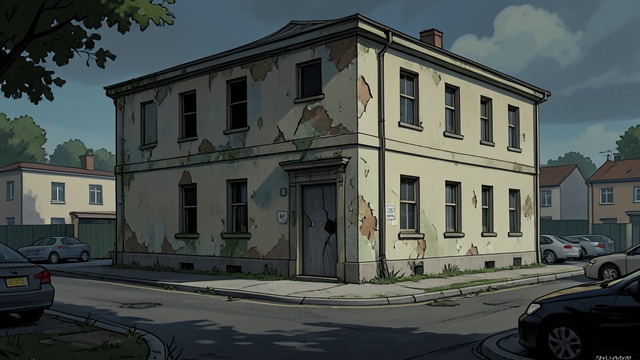
Landlords Profit from Neglect
Exploitative Buildings
Landlords can subdivide apartments and crowd tenants into deteriorating buildings while avoiding maintenance. A building's failure may even make its land more useful as a parking lot.
Structural Harm
The residents face the effects of neglect without meaningful control over property or policy. The gangs' visible violence is only one part of a neighborhood shaped by exploitation.
Political Absence
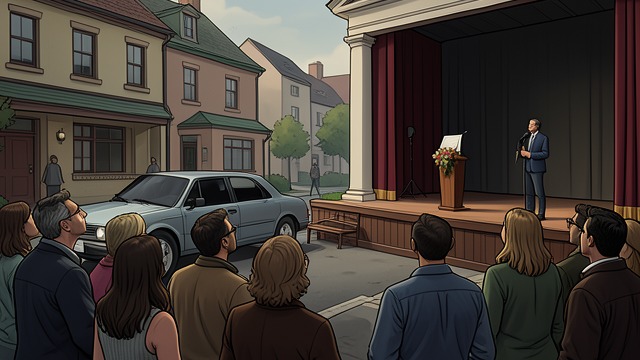
Political Absence
Distant Decision Makers
The politicians who influence the neighborhood do not live among the residents described in the story. They appear as speakers in comfortable districts rather than people sharing the local risks.
A Vacuum of Representation
Some residents believe that the Jets act where civic authorities do not. That belief does not excuse gang violence, but it shows how neglect allows violent groups to present themselves as defenders.
Fear Becomes Routine
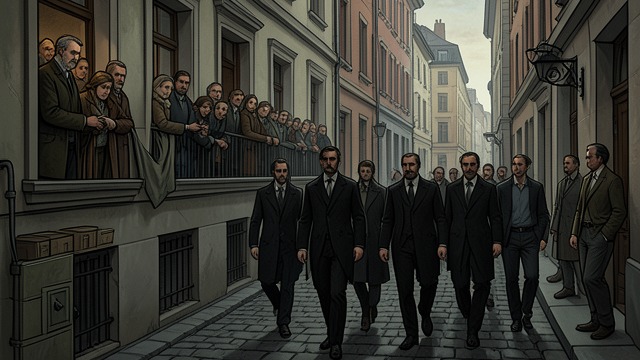
Fear Becomes Routine
Residents Look Away
People watch the Jets from windows and stoops but often avoid confronting them. In a neighborhood where problems are already plentiful, residents fear inviting more trouble.
Everyday Insecurity
The gangs' passage becomes part of daily life, while residents adapt by silence and avoidance. That routine helps violence continue without requiring broad public approval.
The City Continues
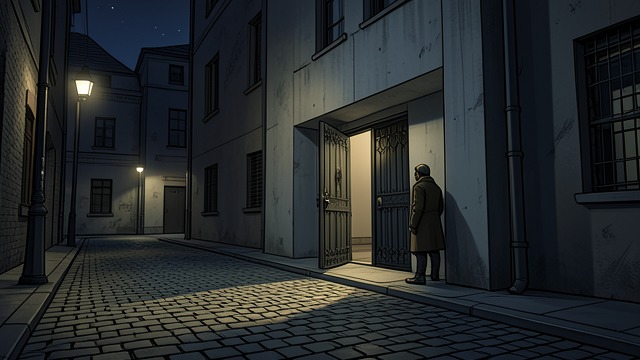
The City Continues
Limited Public Notice
The deaths draw some newspaper attention, but most of New York City continues its Saturday night unaware. The scale of the city makes individual loss easy to overlook.
A Persistent Landscape
The city outlasts Tony Wyzek, Maria Nunez, and the others caught in the tragedy. Its continuity is not presented as healing: the conditions that shaped the conflict remain in place.
Before the events of the story
During the narrator's account of the neighborhood
Before the gangs' conflict reaches its peak
During the Jets' early patrol
At the ending
